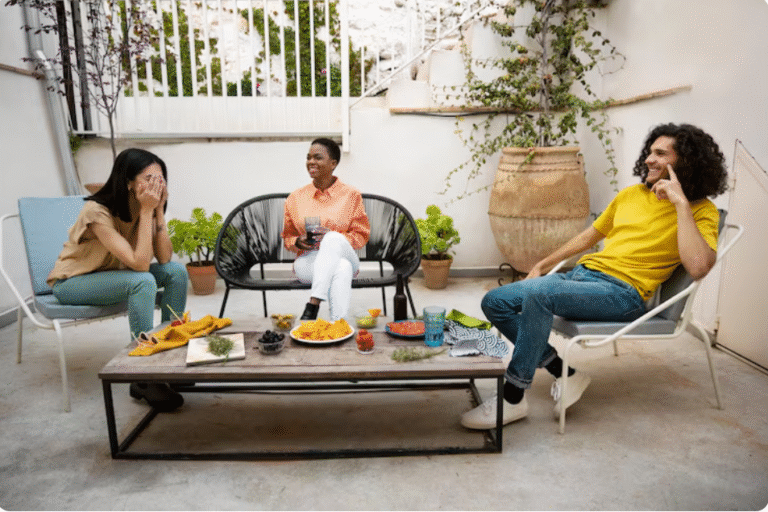
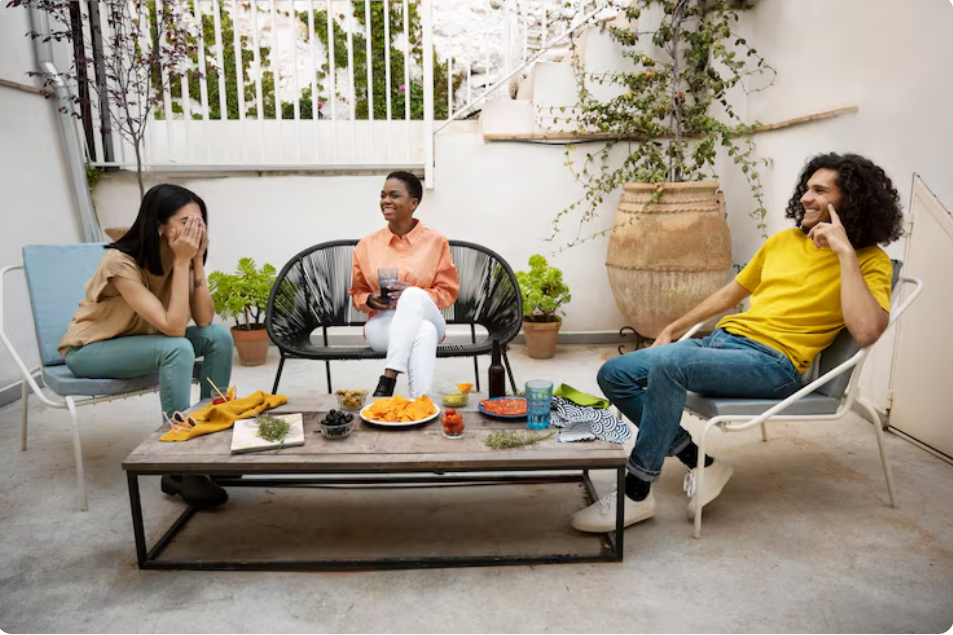
Designing the Perfect Outdoor Lounge with Sofa and Dining Sets is the fastest way to make an outdoor space feel like a true extension of your home. When lounge seating and dining work together, the area stays functional for daily use and naturally “guest-ready” without constant rearranging.
Before choosing pieces, map how people move through the space: door to seating, seating to dining, and dining to cooking or serving. A clear walkway and a logical flow matter more than squeezing in extra chairs that rarely get used.
Think in two connected zones rather than separate furniture purchases. A conversation area creates comfort, while a dining area adds purpose, and a simple visual link—like matching finishes or a shared color palette—makes the whole setup feel intentional.
Designing the Perfect Outdoor Lounge with Sofa and Dining Sets for Everyday Comfort
Comfort starts with proportions, not marketing photos. Check seat depth, back angle, and whether feet comfortably reach the ground, because outdoor lounging often lasts longer than you expect once the setting feels right.
For dining, focus on chair spacing and table height that supports both meals and casual work. If people can sit, talk, and eat without bumping elbows or squeezing past corners, the space will feel calm and premium.
Zone Planning for Outdoor Lounge Layout and Patio Dining Flow
Place the sofa zone around a clear center point, usually a coffee table or fire feature, and keep enough space for people to pass without turning sideways. This prevents the “tight hallway” feeling that makes outdoor areas feel smaller than they are.
Position the dining zone where serving is easy and wind won’t push heat or smoke into the seating area. Small placement decisions—sun angle, glare, and lighting reach—make a big difference in whether the table gets used daily.
Materials and Weatherproof Fabrics for Outdoor Furniture Sets
Frames should be chosen for your climate, not just looks. Powder-coated aluminum resists corrosion in humid regions, while treated hardwoods offer warmth and longevity if you’re comfortable with seasonal cleaning and protection.
For cushions and upholstery, solution-dyed outdoor fabrics handle sun exposure and everyday spills with less fading and easier cleaning. If you want coordinated scale and finishes across zones, Seehill outdoor sofa and dining collections can simplify matching pieces without making the space look overly uniform.
Styling the Space With Color, Texture, and Outdoor Lighting
A cohesive look comes from repetition, not decoration overload. Pick one base color, one accent, and one natural texture—like wood, stone, or woven elements—so lounge and dining feel connected even if the pieces aren’t identical.
Lighting is the quickest upgrade for perceived quality. Combine a warm overhead source with table-level lanterns or wall lighting so the lounge feels inviting after sunset and the dining area stays practical for real meals.
Practical Buying Checklists for Outdoor Sofa and Dining Sets
- Measure walkways, chair pull-back space, and door clearance before selecting sofa depth or dining table width.
- Confirm shade coverage at midday, then plan an umbrella or pergola placement that won’t block movement or sightlines.
- Prioritize corrosion-resistant hardware, removable cushion covers, and surfaces that tolerate heat, drinks, and daily wiping.
- Check warranty terms and replacement part availability, especially for cushions, covers, and table tops.
Designing the Perfect Outdoor Lounge with Sofa and Dining Sets becomes far easier when you treat sizing and materials like a simple system: flow, comfort, and durability. Two quick lists can prevent the most common mistakes—awkward spacing, mismatched heights, and fabrics that look great at first but become a maintenance burden.
Quick Comparison Table for Outdoor Lounge and Dining Configurations
Space typeLounge setupDining setupBest-fit materialsNotesSmall patio2–3 seat sofa + side table2–4 seat tablealuminum + compact stonekeep pathways openMedium deck3-seat or small sectional4–6 seat tableteak + sintered stoneadd shade if possibleLarge yardmodular lounge grouping6–8 seat tablemixed stone + metaldefine zones clearly
Designing the Perfect Outdoor Lounge with Sofa and Dining Sets works best when the seating capacity matches real use, not occasional “worst-case” gatherings. A simple table comparison helps you avoid overfilling a small space or under-building a large one where guests naturally spread out into separate activity areas.
Designing the Perfect Outdoor Lounge with Sofa and Dining Sets for Small Patios and Large Decks
Small patios benefit from fewer, better pieces: a compact sofa, one flexible side table, and a dining set sized for everyday meals. Prioritize clear circulation so the area feels open, and let one statement texture—like wood or stone—do most of the visual work.
Large decks and yards can feel messy unless zones are clearly defined. Use rugs, planters, and lighting to “frame” each area, then keep finishes consistent so the whole space reads as one design rather than separate purchases.
Care, Maintenance, and Long-Term Durability Tips
Create a maintenance rhythm you can actually keep. A quick weekly wipe-down and cushion shake prevents stains from setting and reduces the musty odors that come from trapped moisture after rain or heavy humidity.
Once per season, tighten hardware, re-level table feet, and spot-clean fabrics before marks become permanent. These small habits protect comfort and appearance far more effectively than a single deep clean once a year.
FAQ
Q: How do I keep the lounge and dining areas from looking mismatched? A: Repeat one finish across both zones, then keep cushion tones within the same warm or cool family so everything feels coordinated without forcing identical sets.
Q: What’s the biggest comfort upgrade people overlook? A: Add reachable side tables and layered lighting; when guests can set down a drink and the space stays usable after dark, the lounge feels instantly more inviting.
Q: How do I balance style with durability in outdoor furniture? A: Choose weather-rated fabrics and corrosion-resistant hardware first, then refresh style through textiles and lighting so you can update the look without replacing core pieces.
About the Author